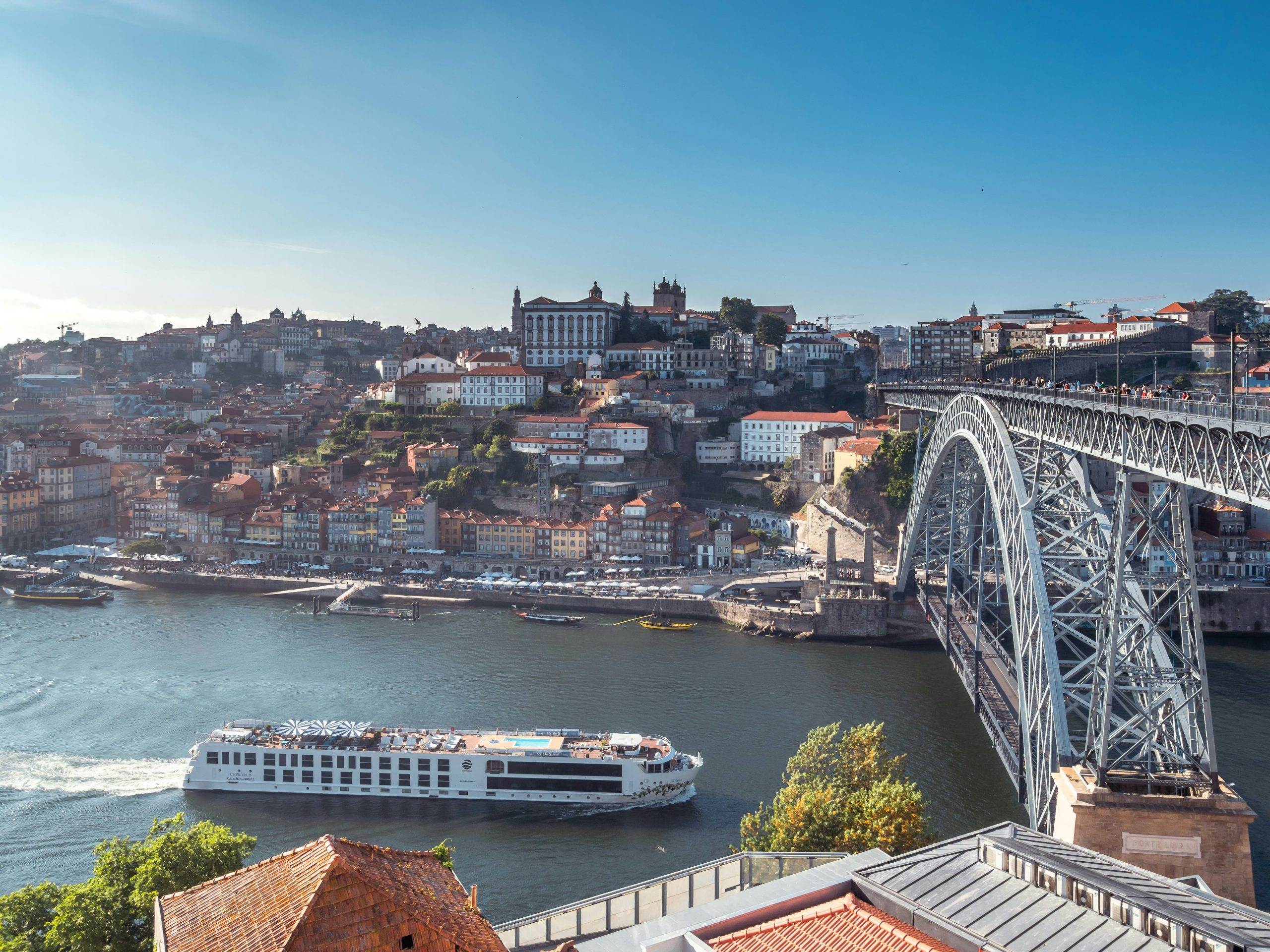
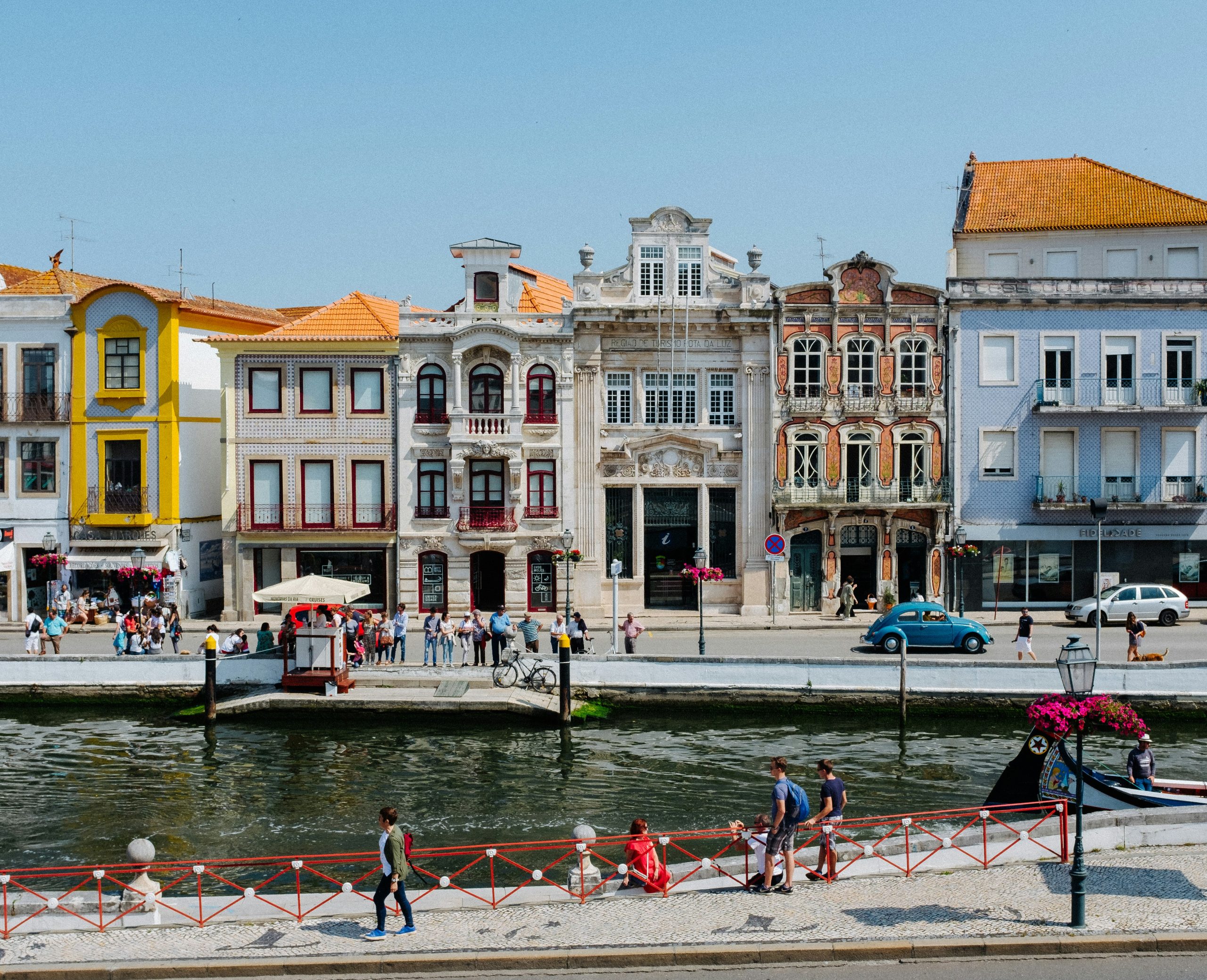
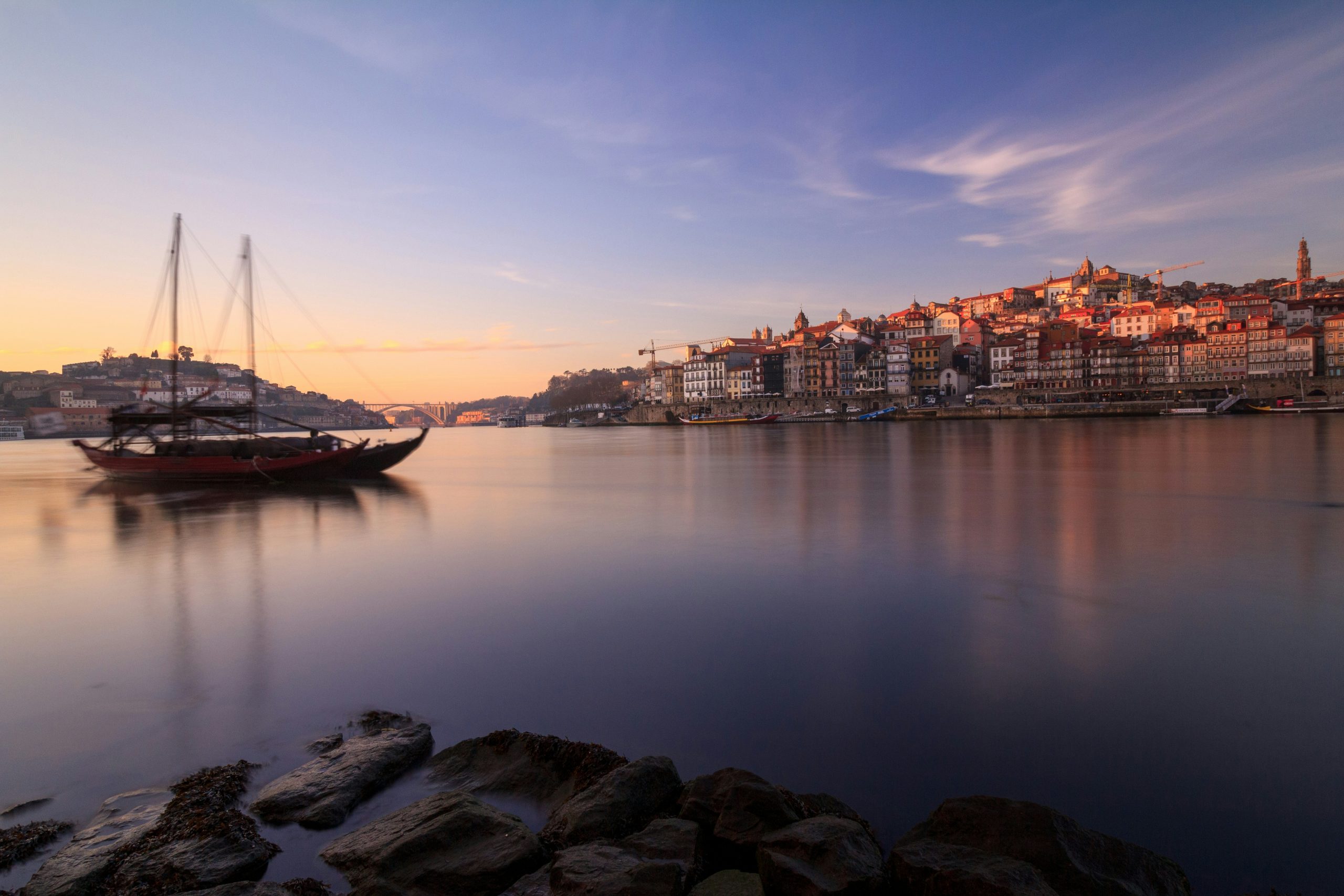
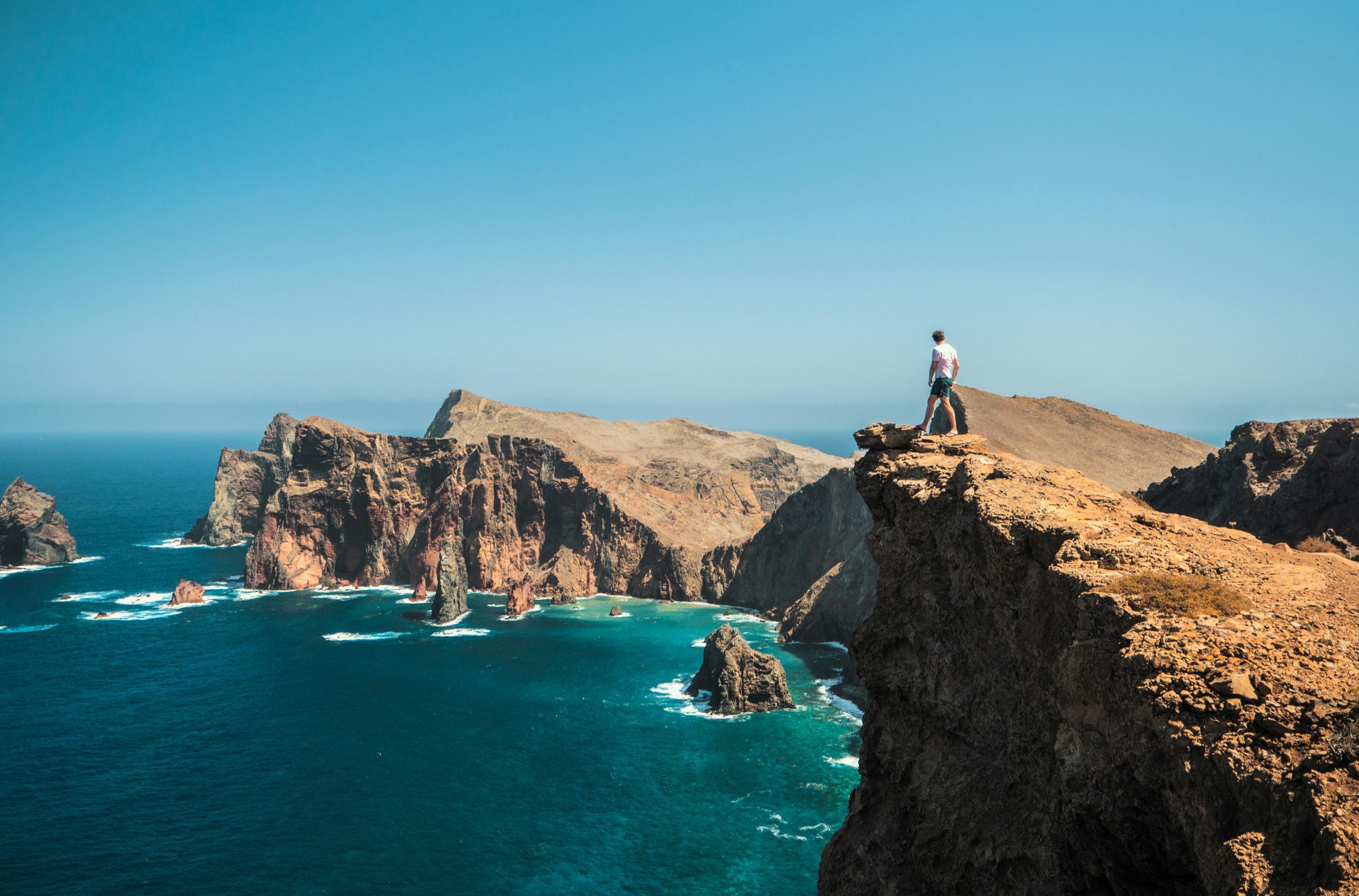
Most discussions about Portugal focus on immigration rules and investment structures. These matter, but they rarely explain why families stay, return or build long-term plans here. What shapes their decisions is daily life in Portugal. It is the part that investors hear about the least, yet it influences families more than anything else.
Daily life in Portugal moves at a measured pace. Schools open early. Local cafés start serving before the workday begins. Public spaces are used by children, teenagers and older residents throughout the week. These small routines create a sense of familiarity that families rely on.
Why daily life in Portugal works for families
Families who spend time in Portugal tend to describe the same experience. Life feels organised enough to function smoothly without overwhelming them. Most errands can be done close to home. Streets are calm. Public services are reachable.
The appeal comes from several practical elements:
- A strong safety record that consistently places Portugal among the most peaceful countries worldwide
- Walkable neighbourhoods with services nearby
- Public transport that is simple to use
- Communities where routines form quickly
These are quiet advantages but they guide long-term decisions more than headlines do.
The rhythm of the day
A large part of daily life in Portugal comes from the rhythm of the day. Work often begins slightly later than in other European capitals. Lunch is still a defined break. Evenings stretch into early night without the intensity found in larger financial centres.
Parents often mention how predictable the daily structure feels:
- Schools open early enough for working families
- Children move between home, school and activities without complex logistics
- Evenings involve parks, cafés or time outdoors
Compulsory schooling and widespread pre-school access help families build regular weekly patterns, even if they only spend part of the year in Portugal.
Food, cafés and daily routines
Portugal’s food culture reinforces these rhythms. Local cafés serve families throughout the morning. Markets open early. Neighbourhoods still have small grocery shops, bakeries and butchers. Larger supermarkets are close by, and online delivery is available.
For families arriving from abroad, these routines make settling in easier. They can rebuild their weekly habits quickly without reinventing daily life.
The physical environment
Safety is one of the strongest features of daily life in Portugal. Children walk to school in many neighbourhoods. Teenagers meet friends in public spaces without excessive concern. Parents feel comfortable with short walks, local parks and nearby cafés.
The environment supports this:
- easy access to beaches, riverside walks and parks
- streets designed with pedestrians in mind
- public spaces that feel shared rather than contested
These details rarely appear in investor materials, yet they shape the experience of living here more than technical rules ever will.
The social tone
Portugal’s social tone is calm and polite. People interact respectfully in public spaces. Even in larger cities, the atmosphere remains measured. This helps new residents adjust without feeling out of place.
Families often describe this tone as one of the main reasons they spend more time in Portugal. It creates daily stability, which is valuable when work or family obligations pull them between several countries.
Education and activities in everyday reality
Public, private and international schools all operate within this wider environment. Legal residents can enrol children in public schools once they register locally and provide proof of address. Costs in the public system remain low because it is state funded. Private and international schools give access to British, American and IB curricula.
Extracurricular activities are common. Children take part in sports, music and after-school programmes without heavy logistical pressure. This consistency becomes a central part of how families experience daily life in Portugal.
Healthcare as part of everyday life
Healthcare becomes another part of the routine. Legal residents can register with Portugal’s national health service once they complete the required local steps. This gives access to subsidised public care.
Many families choose private insurance for faster appointments and access to private hospitals and clinics. The combination makes the system predictable and manageable.
Why daily life in Portugal guides long-term planning
Investors hear about regulations, timelines and investment rules. Families listen to those details but focus on daily life. They want a country where routines form easily and where public systems work when needed.
Daily life in Portugal provides:
- a predictable environment
- accessible education for resident families
- usable healthcare once registered
- a calm social tone
- the ability to build habits quickly, even during shorter stays
These elements determine whether a residence permit becomes a meaningful second base. Families mention these details long after the initial residency decision.
Portugal works because the small things are reliable. Daily life in Portugal is what turns a technical process into a place where families feel comfortable planning real parts of their future.
Get in touch to find out about moving your life to Portugal with a Portugal Golden Visa.